On this page
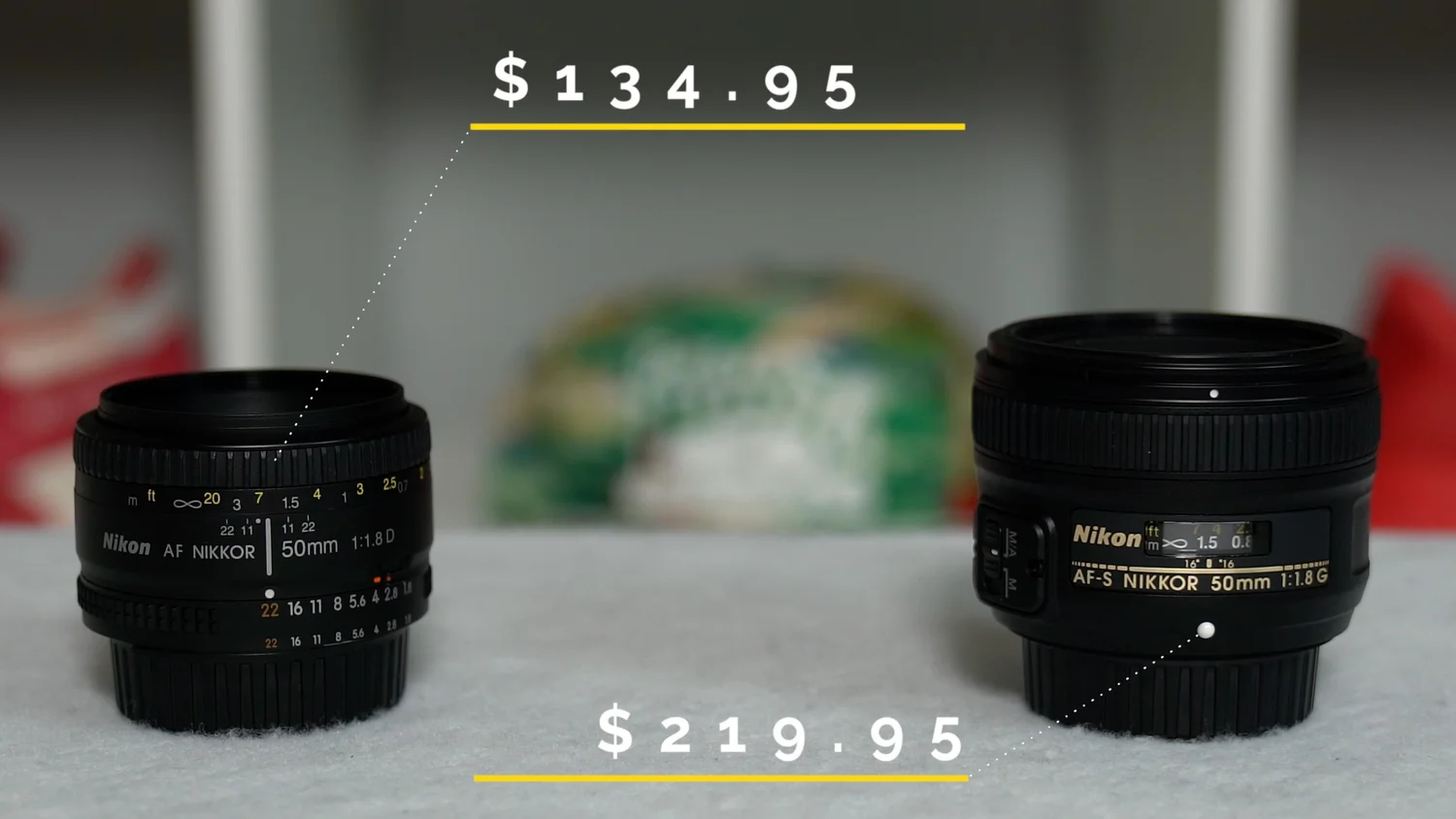
If you’re in the market for a cheap Nikon lens, then I’m sure you’ve considered between the Nikon 50mm f/1.8D and Nikon 50mm f/1.8G. These are the two cheapest full frame primes lenses that Nikon currently produce. The 50mm f/1.8D retails for $134.95 and 50mm f/1.8G retails for $219.95. So, what makes the 1.8G cost $85 more and is it worth it?
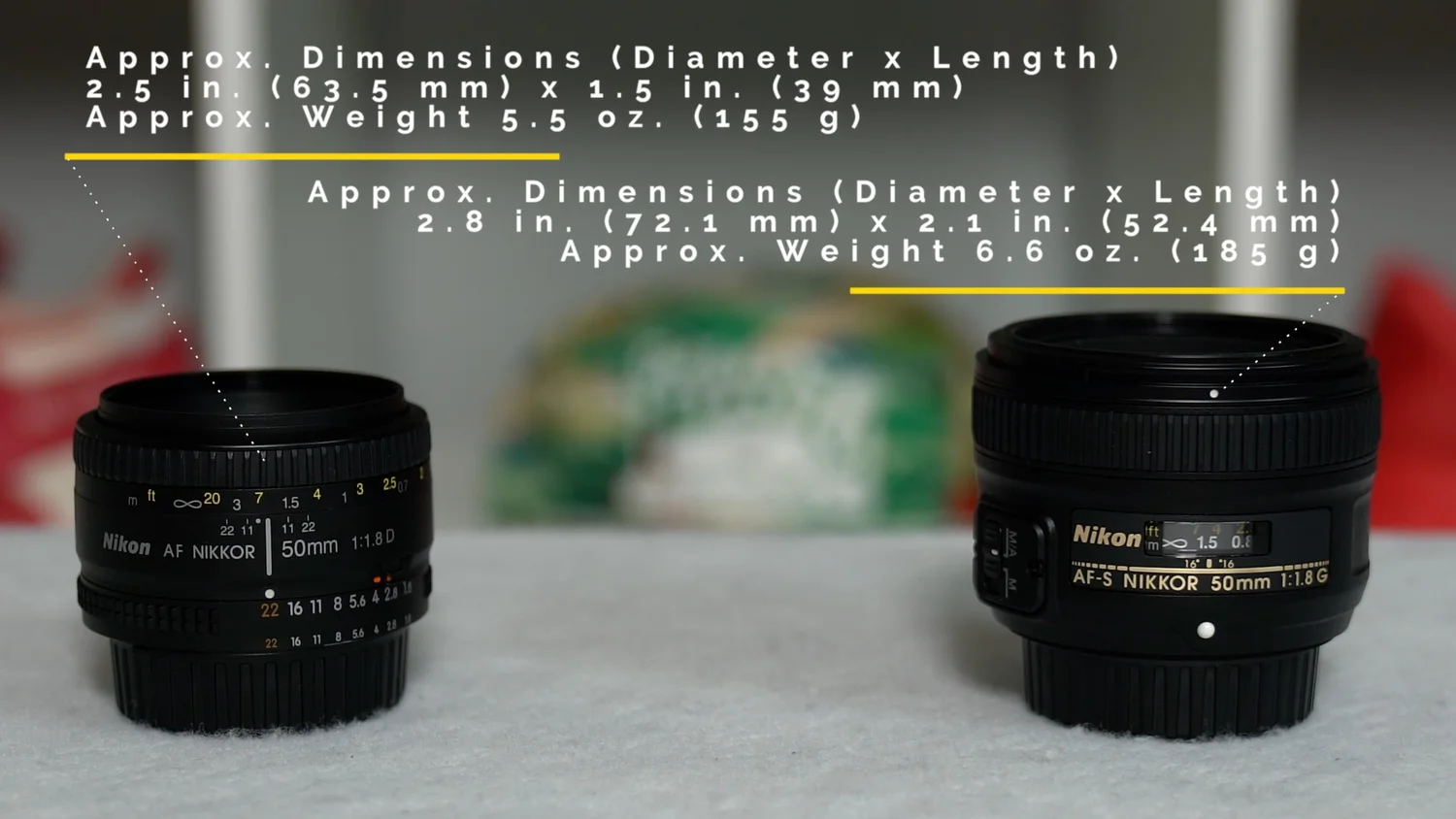
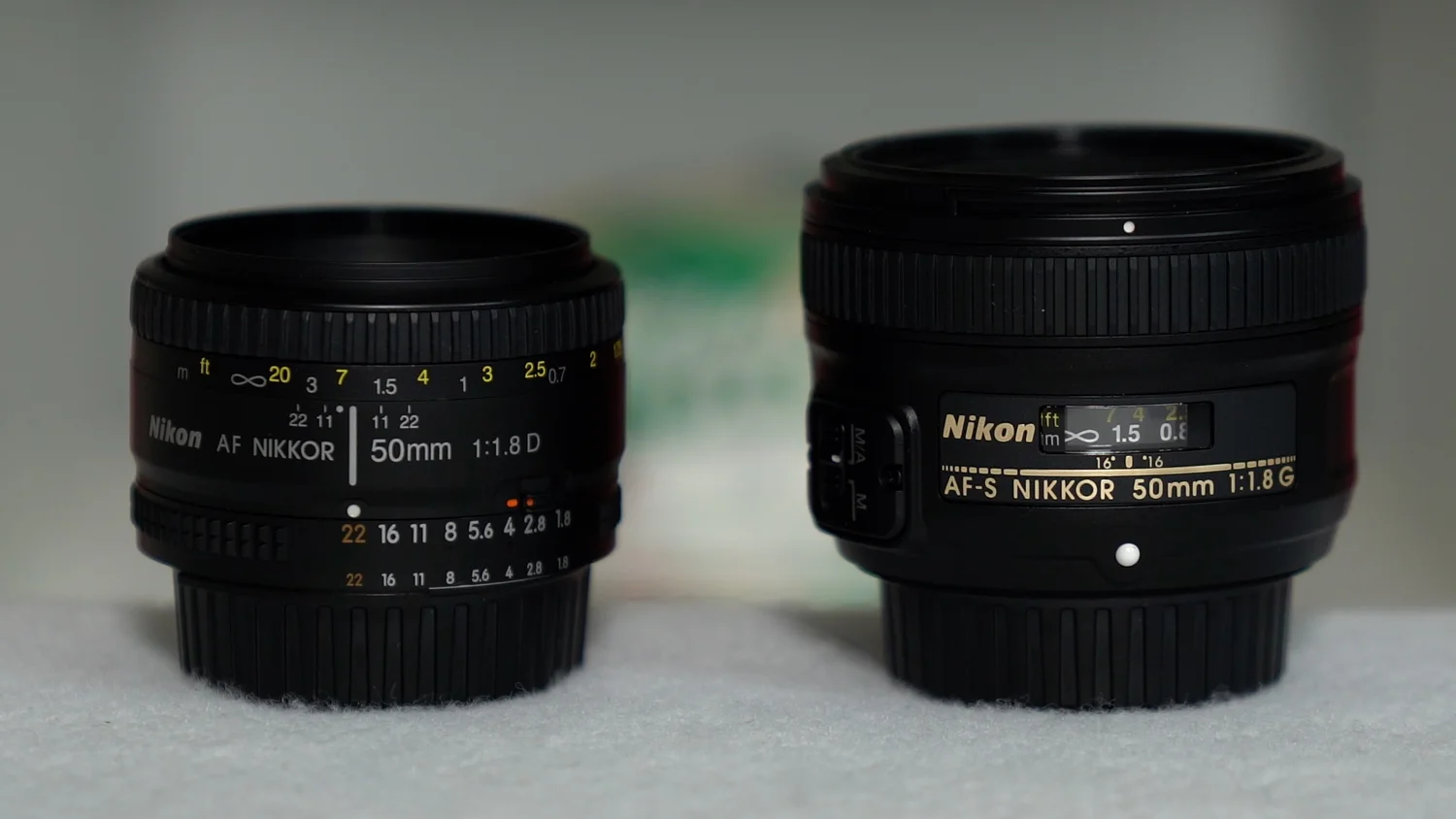
First, let’s look at the size. In terms of specs, they are very similar in both size and weight and are definitely among the smallest lenses in terms of the Nikon lens lineup. When I was considering one or the other, I didn’t really care about the weight because they are too close to really tell when the lenses are held in hand. I also didn’t really care about the width either. The only thing that I cared about in terms of size was the length of the lens because I was looking for a small all-purpose travel lens. The specs indicate that the 1.8G is only .6 of an inch longer but when you see them side by side, that .6 of an inch is a lot more than you would expect. So in terms of size and weight, the 1.8D is the clear winner.
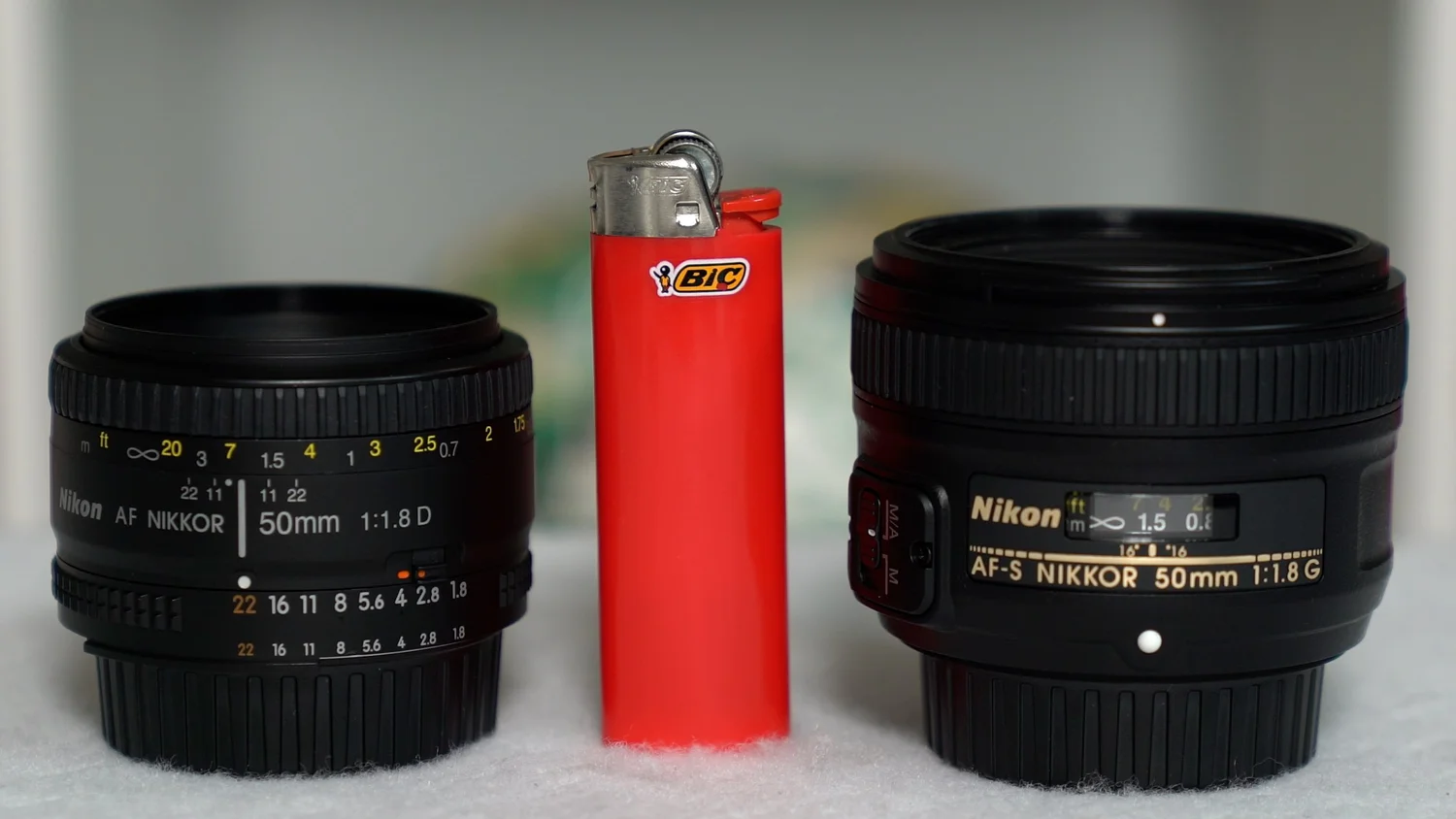
A lot of the 1.8G’s size is attributed to the fact that it has the Nikon AF-S or Silent Wave Motor built in.
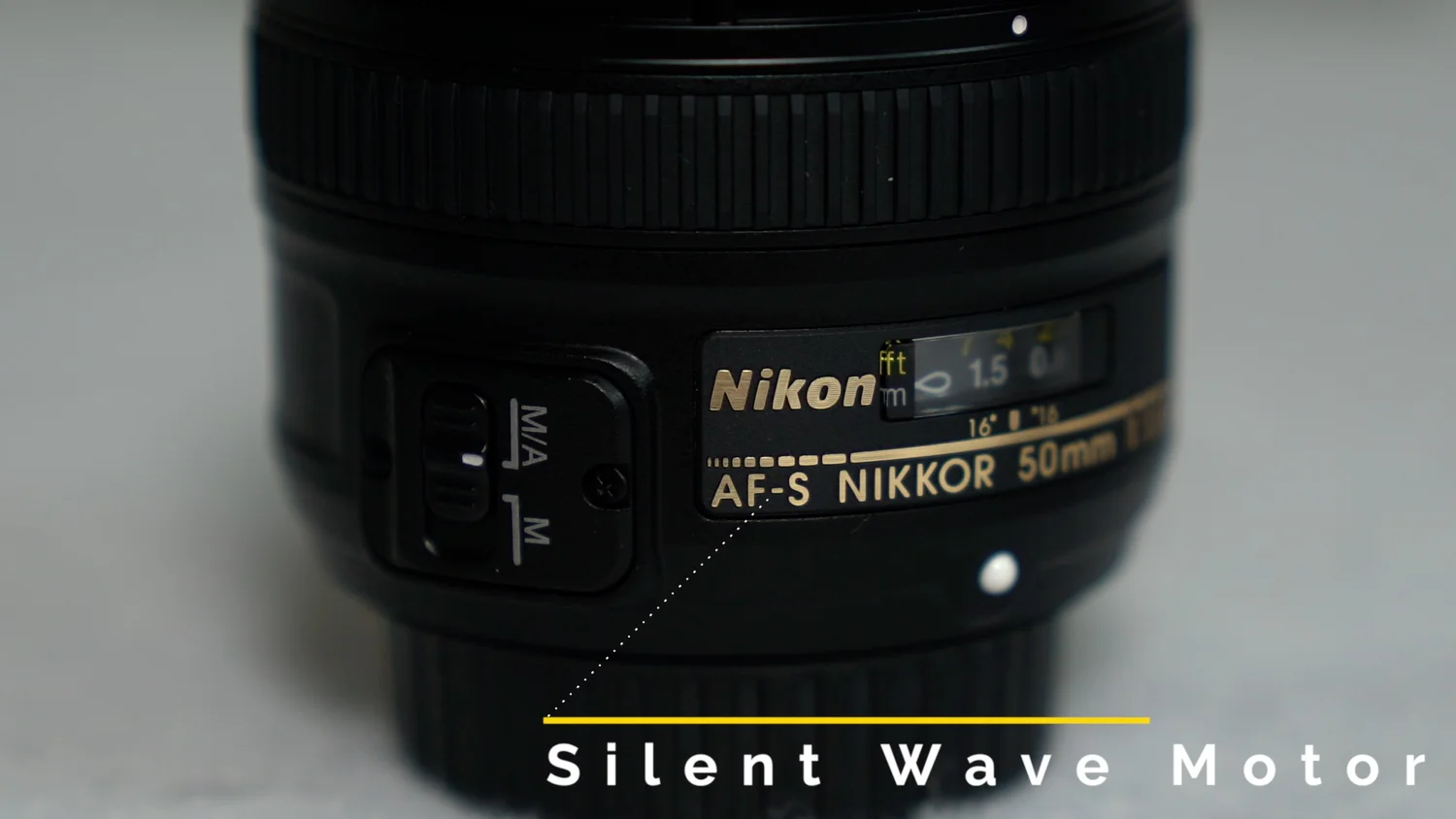
This leads me to my next point, autofocus noise. The AF-S in the 1.8G allows it to autofocus much more quietly than the 1.8D. Realistically, if you were outside and there is background noise from the city, no one’s going to be able to hear either lens, but if you were in a quiet environment, the autofocus in Nikon D lenses stick out like a sore thumb.
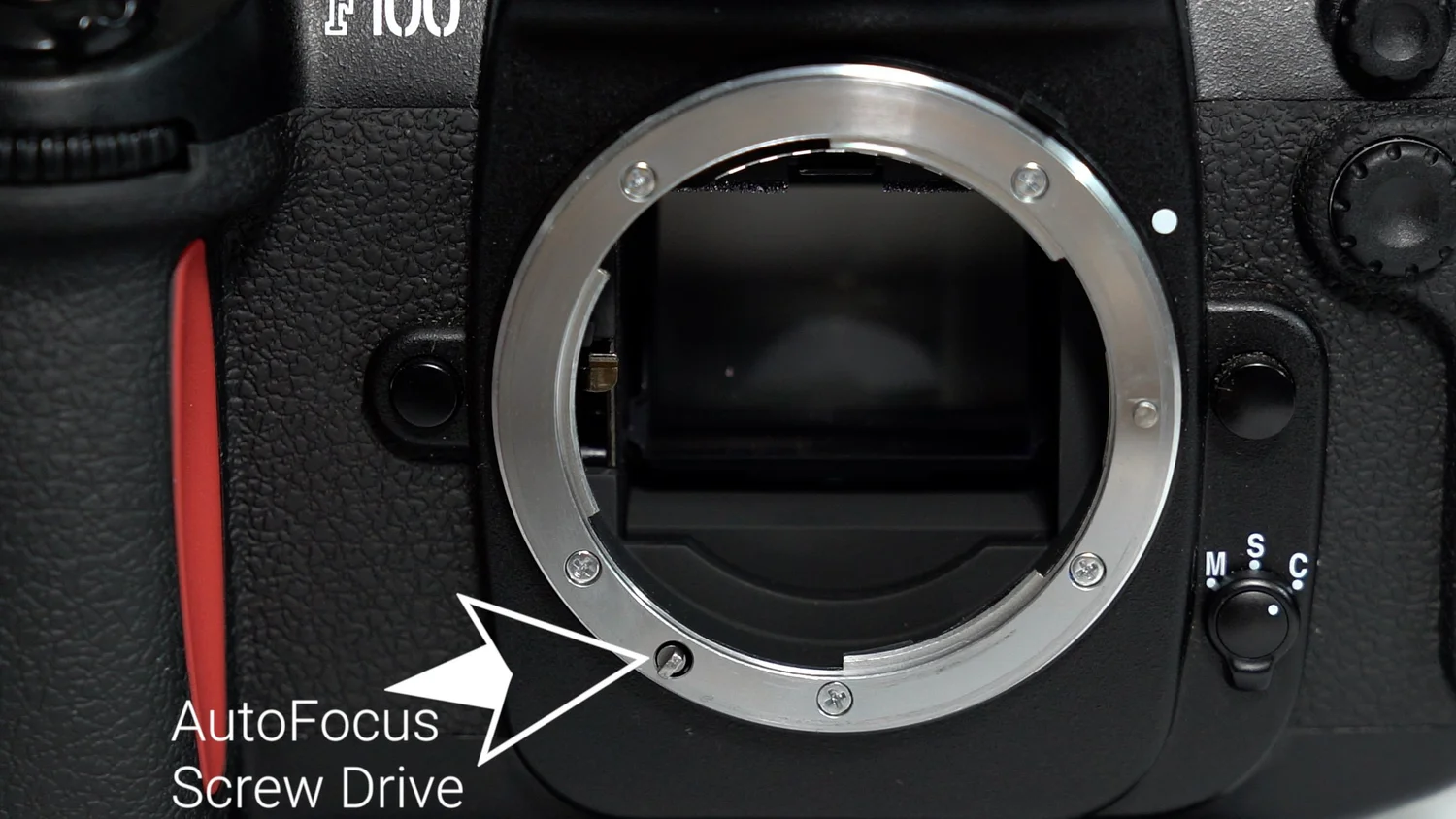
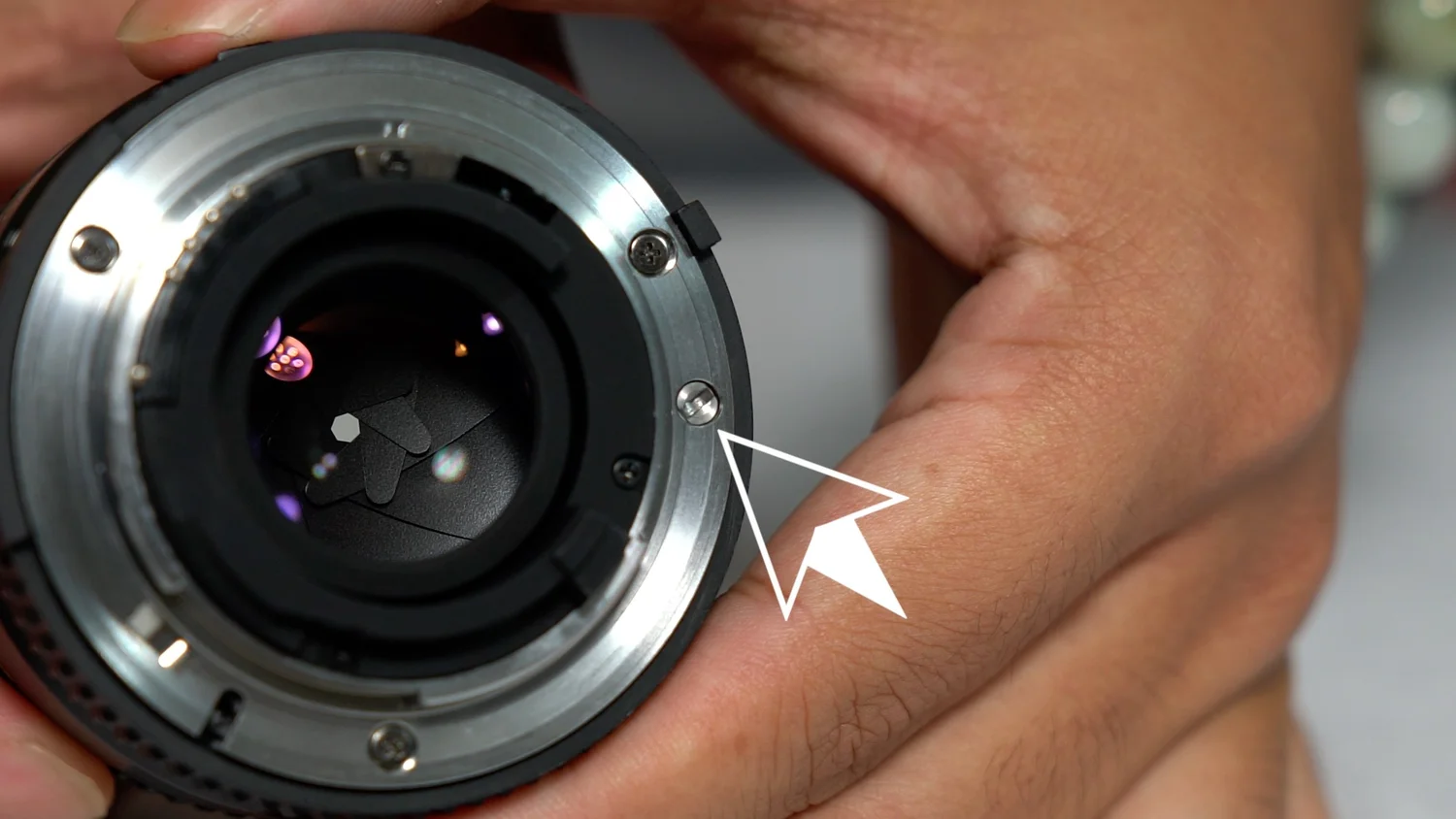
One thing worth mentioning is the fact that the AF-S will be a major determiner for many people. Because the 1.8D does not have a focusing motor built into the lens, many of the cheaper bodies will not be able to autofocus with this lens. Make sure that your camera body has an internal focusing motor or it will not be able to autofocus with this lens. You can tell if your body has this feature or not by the screw drive on the lens mount. It corresponds with this female screw on the lens and turns it to autofocus.
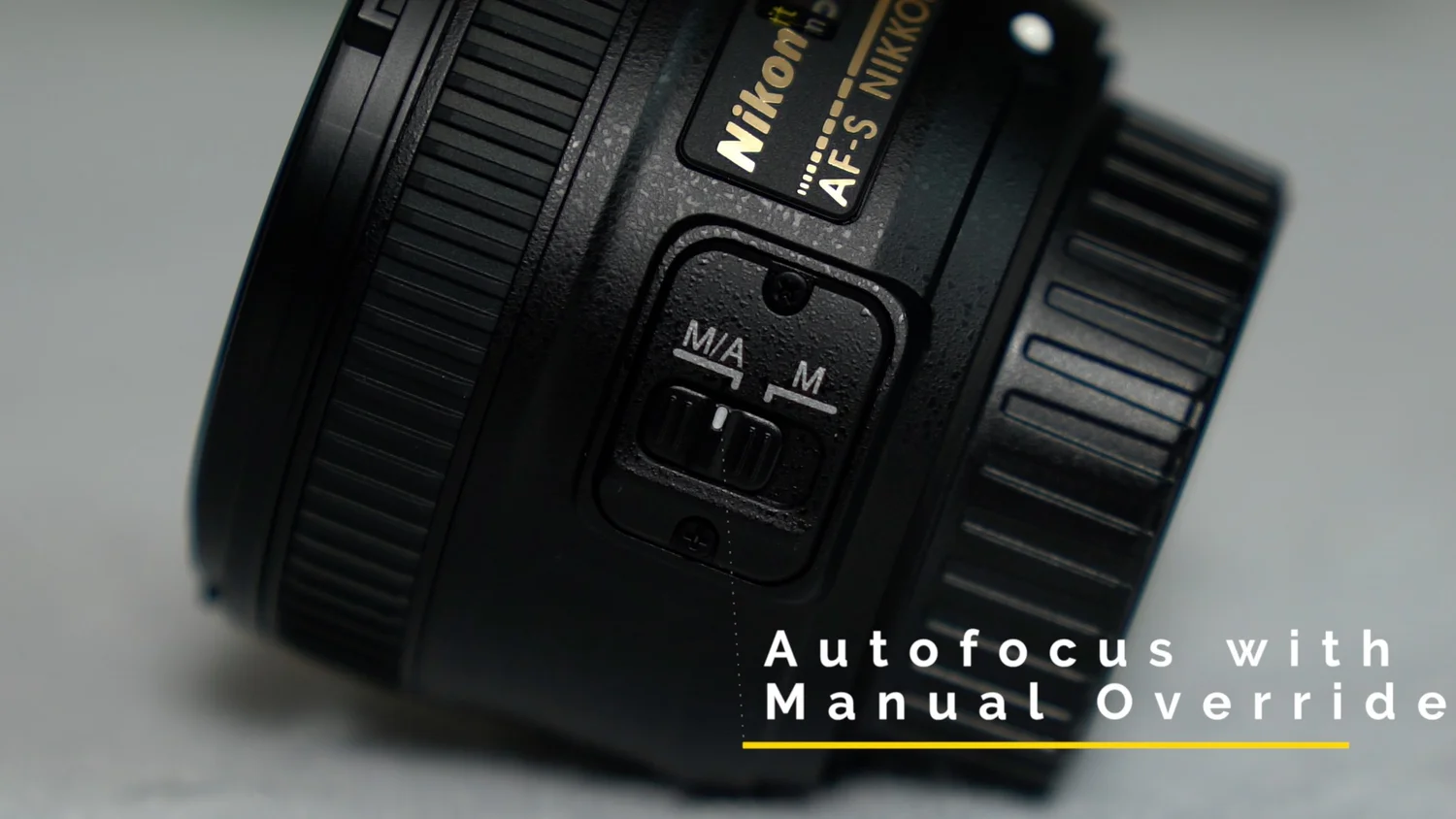
One thing that I really like about Nikon G lenses is that they have autofocus with manual override. This means that even when you are in autofocus mode on the lens and you turn the focusing ring, the lens will allow you to manually focus. On D lenses, if the camera body is switched to autofocus and you turn the focusing ring, there is resistance on the ring. You can still turn the ring and force the camera to manually focus, but it just doesn’t seem like it’s good for the lens or the body.
Lastly, let’s talk about image quality. Here are various sample images taken from each lens for you to determine for yourself which you like better. All images are unedited raw files converted to jpeg and taken with the Nikon D810. These images are by no means meant to be award winning but just taken at various apertures to show what the lens can possibly produce.






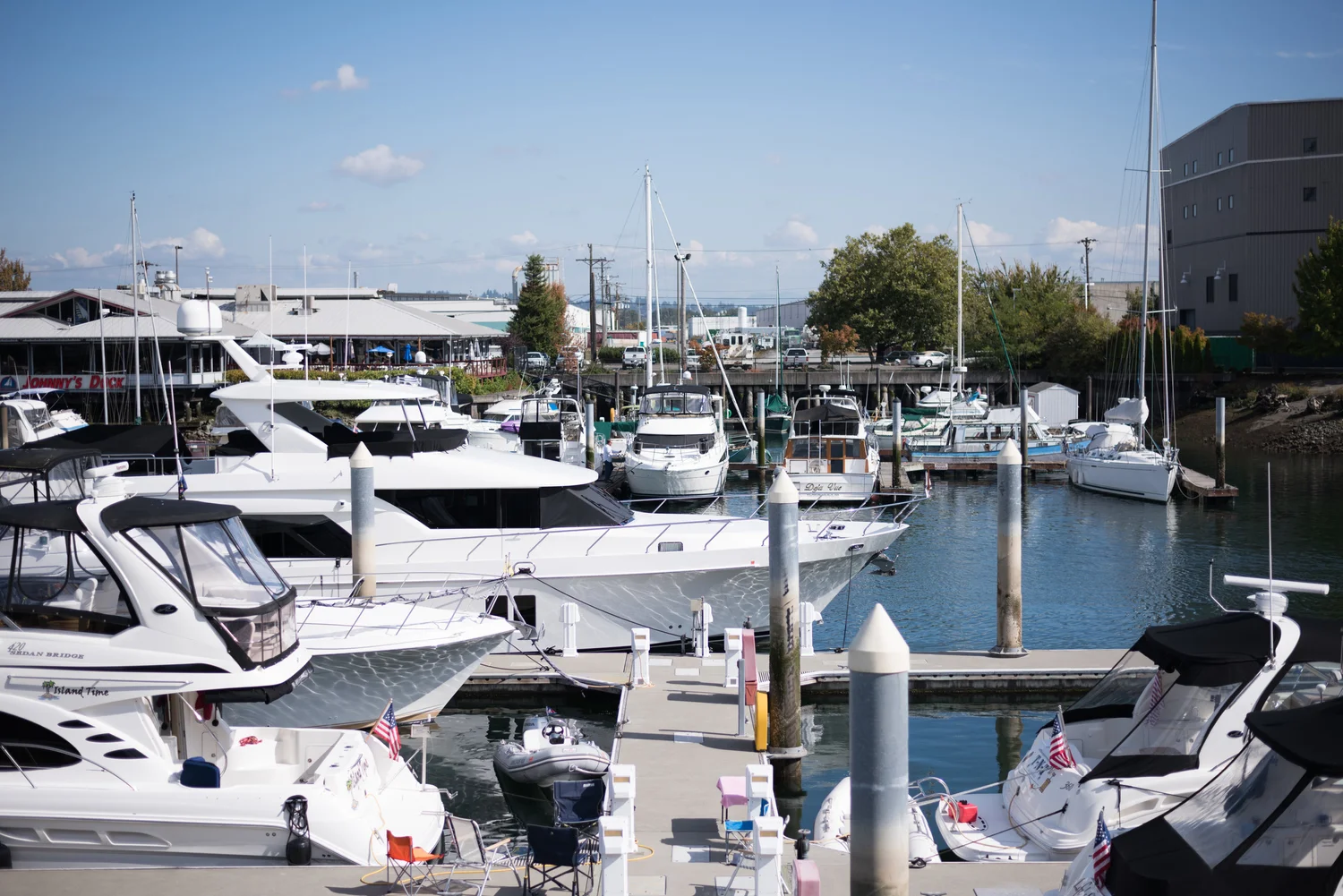
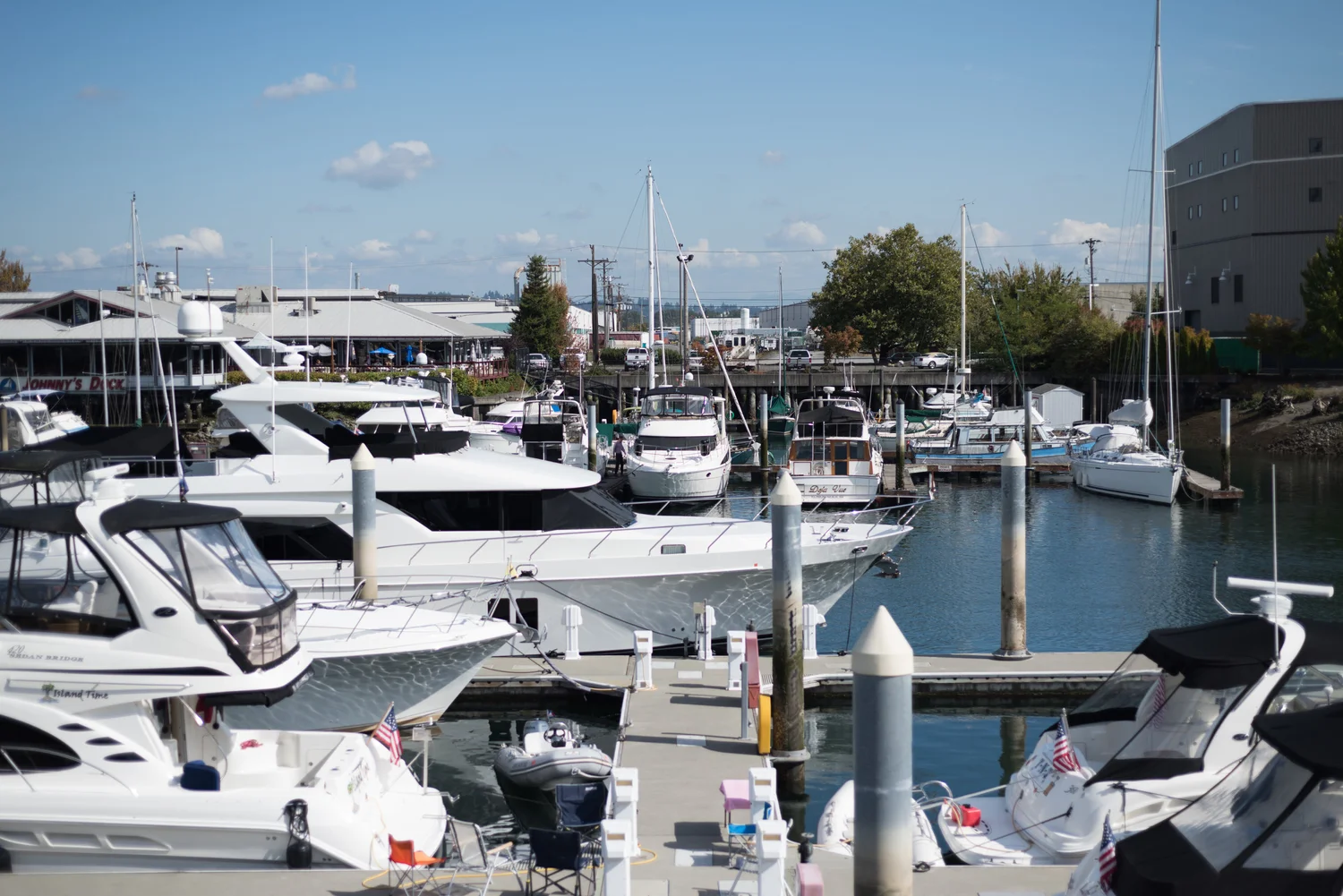
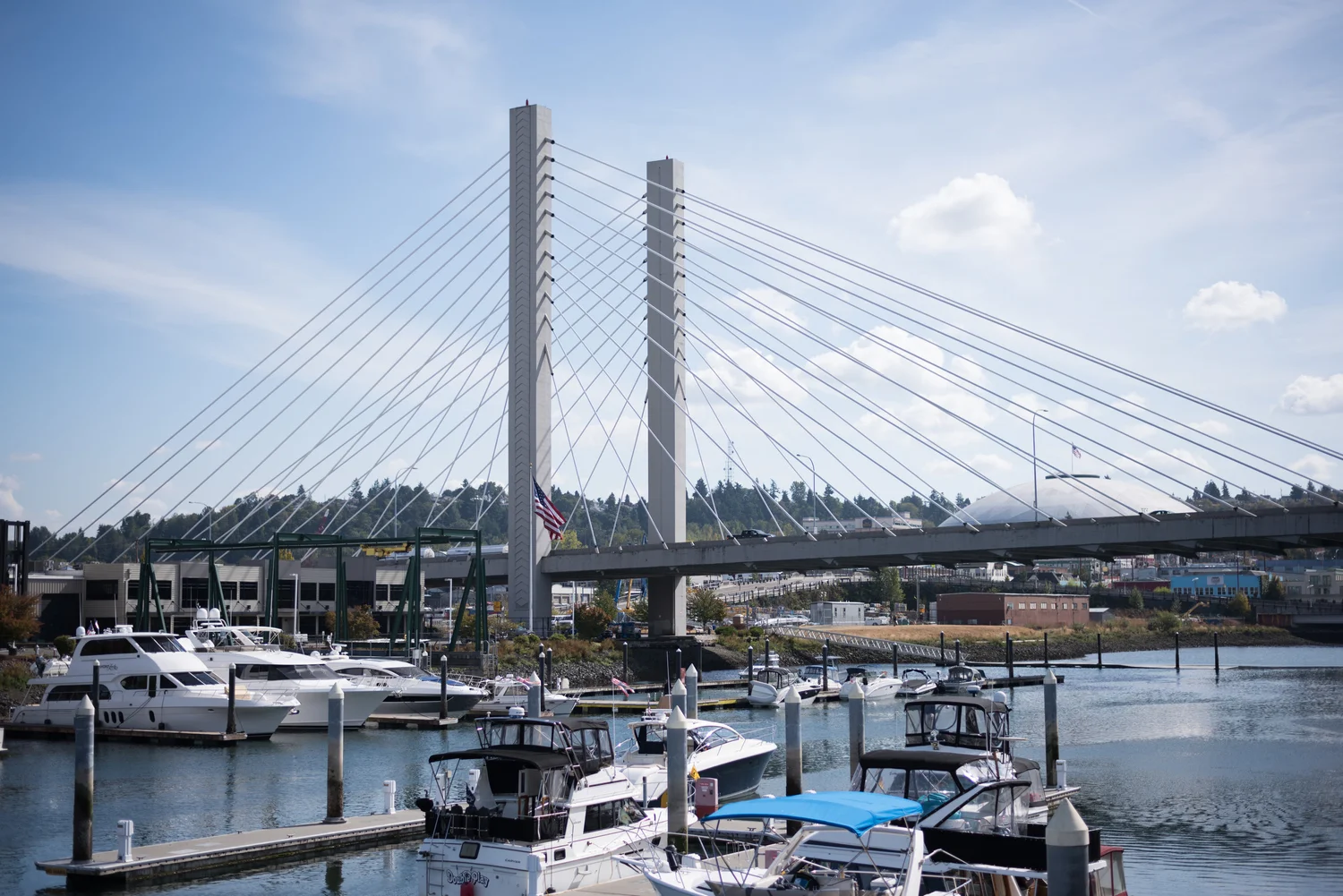
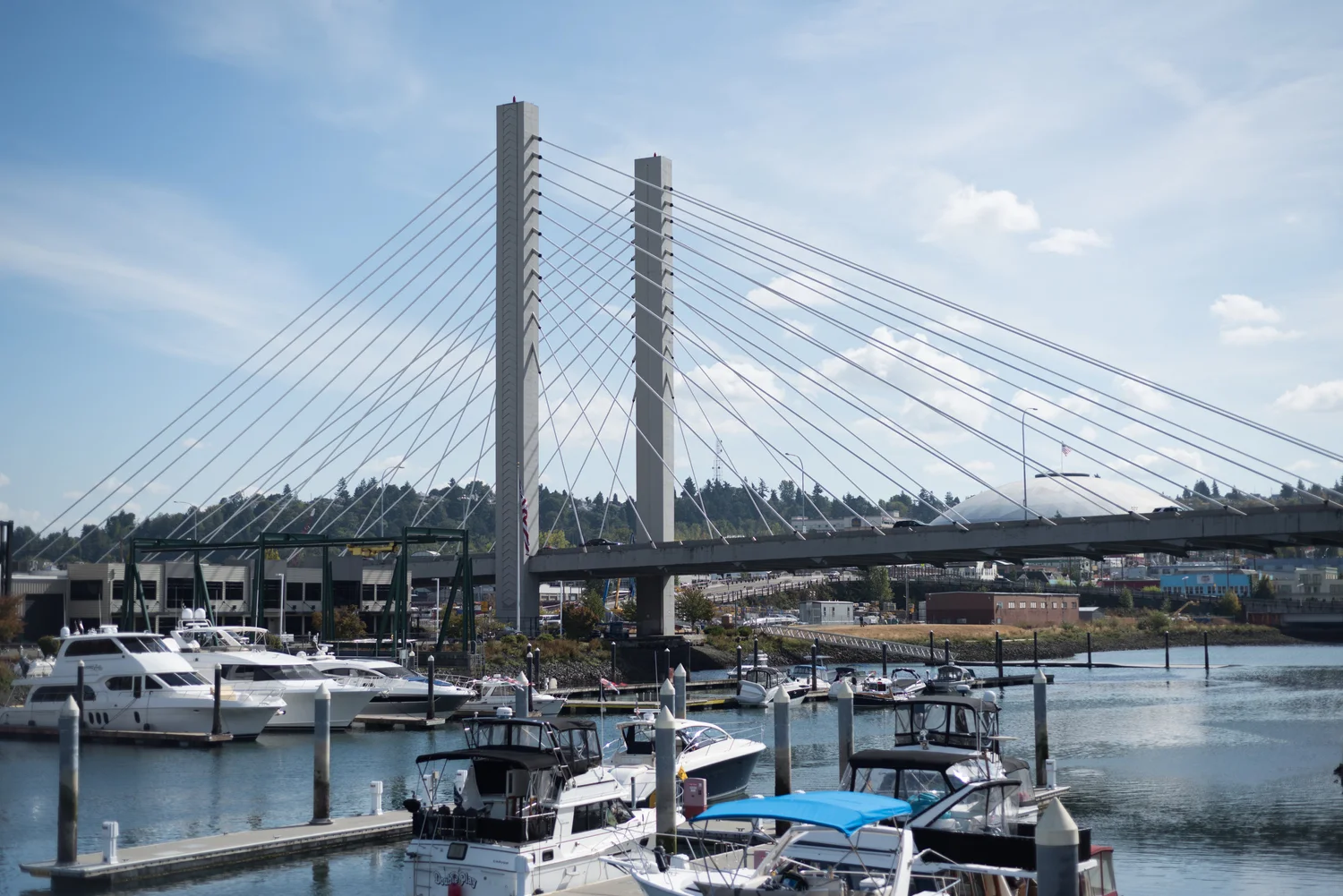
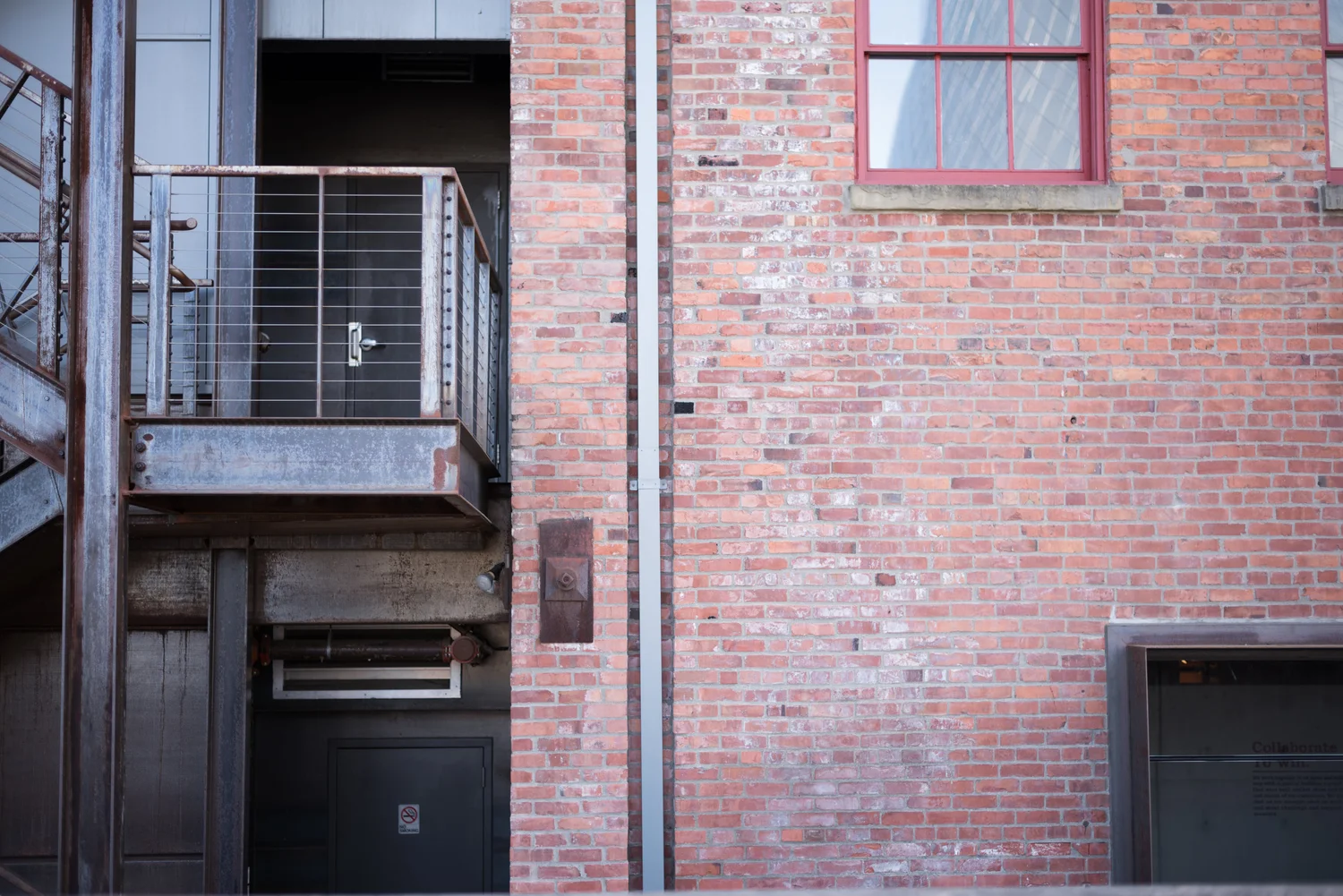
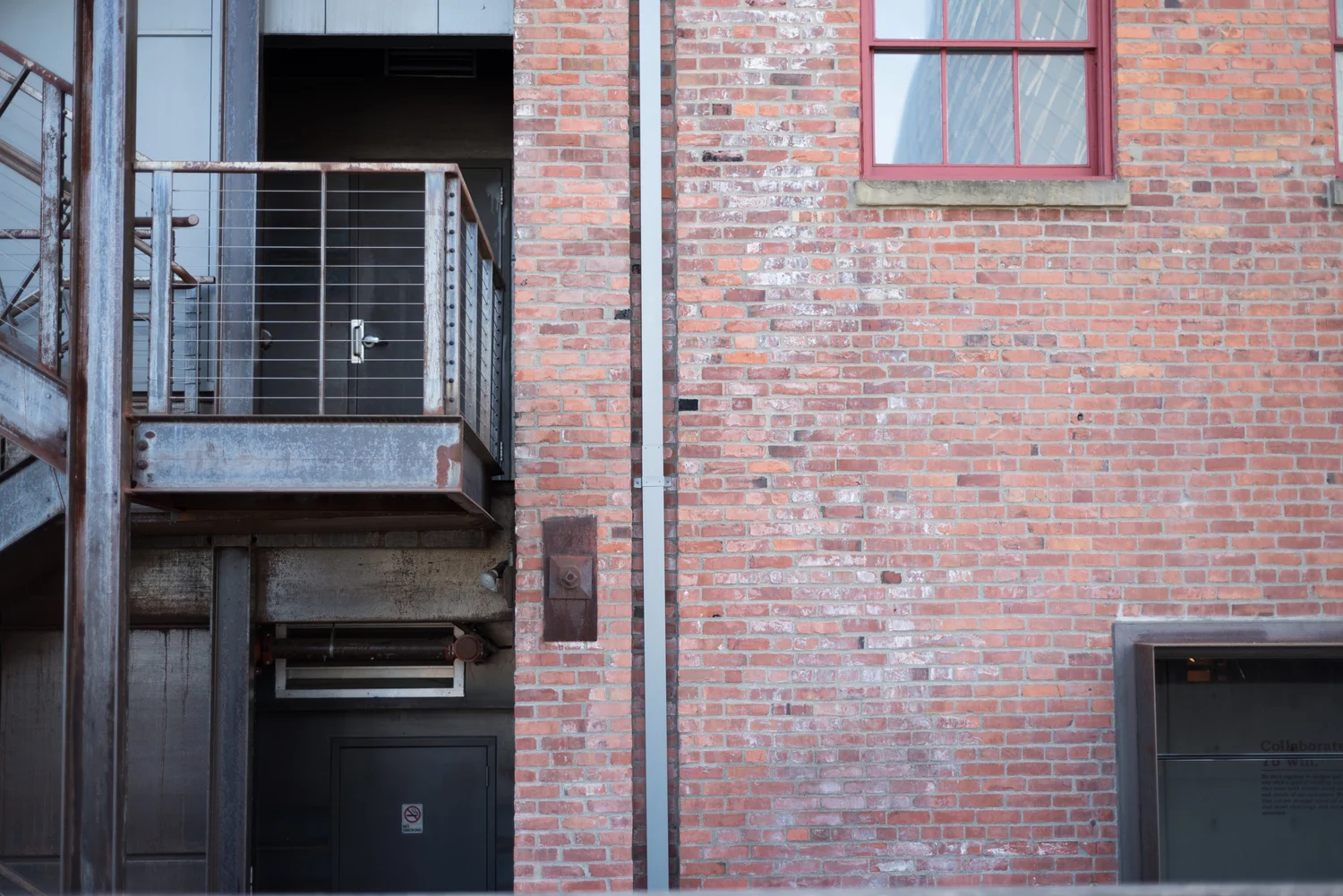




Honestly, I think that images quality is a toss up between these two lenses. They are very similar and if I had to do a blind test to determine which picture came from which lens, it’ll probably be a 50/50 guess. One thing that I would say is that the 1.8G does seem to transmit about 1/3 of a stop more light, but that can very well have just been a variation in one of these lenses and another copy of either lens could transmit more or less light.
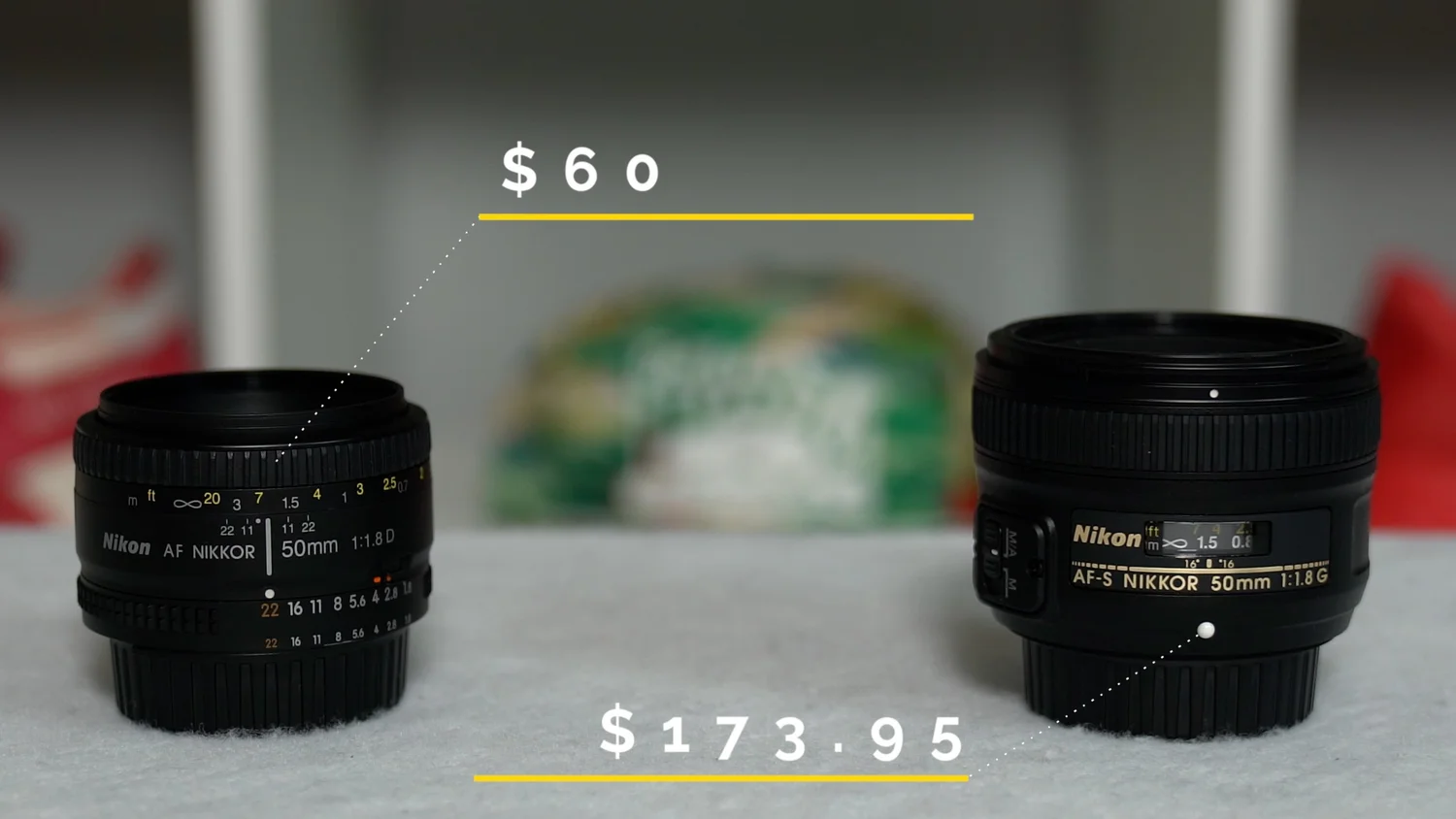
After everything that I’ve talked about, if I were to go back and buy one of these lenses again, I would go for the 1.8D. I will say that I like the 1.8G better because it is quieter and I like the option to have the manual focus override, but the price difference just does not justify the purchase to me. When I bought these lenses, I got the 1.8G for $174 new. I’ve seen he 1.8D go for $90 new quite often but I actually purchased mine used from Offerup for $60 and it is in near mint condition, no scratches and functions perfectly. I just think that the 1.8D offers much more value for the money and if it is compatible with your camera, I would recommend you save some money and pick it up rather than the 1.8G.
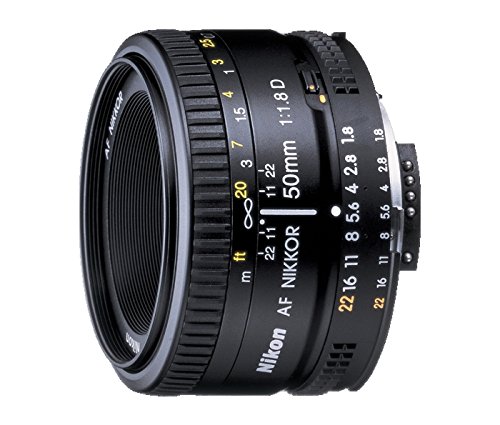 Nikon AF FX NIKKOR 50mm f/1.8D prime lens with manual aperture control
Buy on Amazon
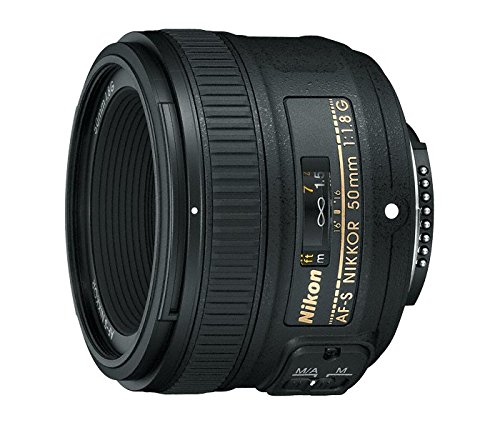 Nikon AF-S FX NIKKOR 50mm f/1.8G Lens with Auto Focus for Nikon DSLR Cameras
Buy on Amazon

Hands-on reviews of everyday carry, home gym gear and DIY projects. Products sent for review never guarantee a review or an endorsement.